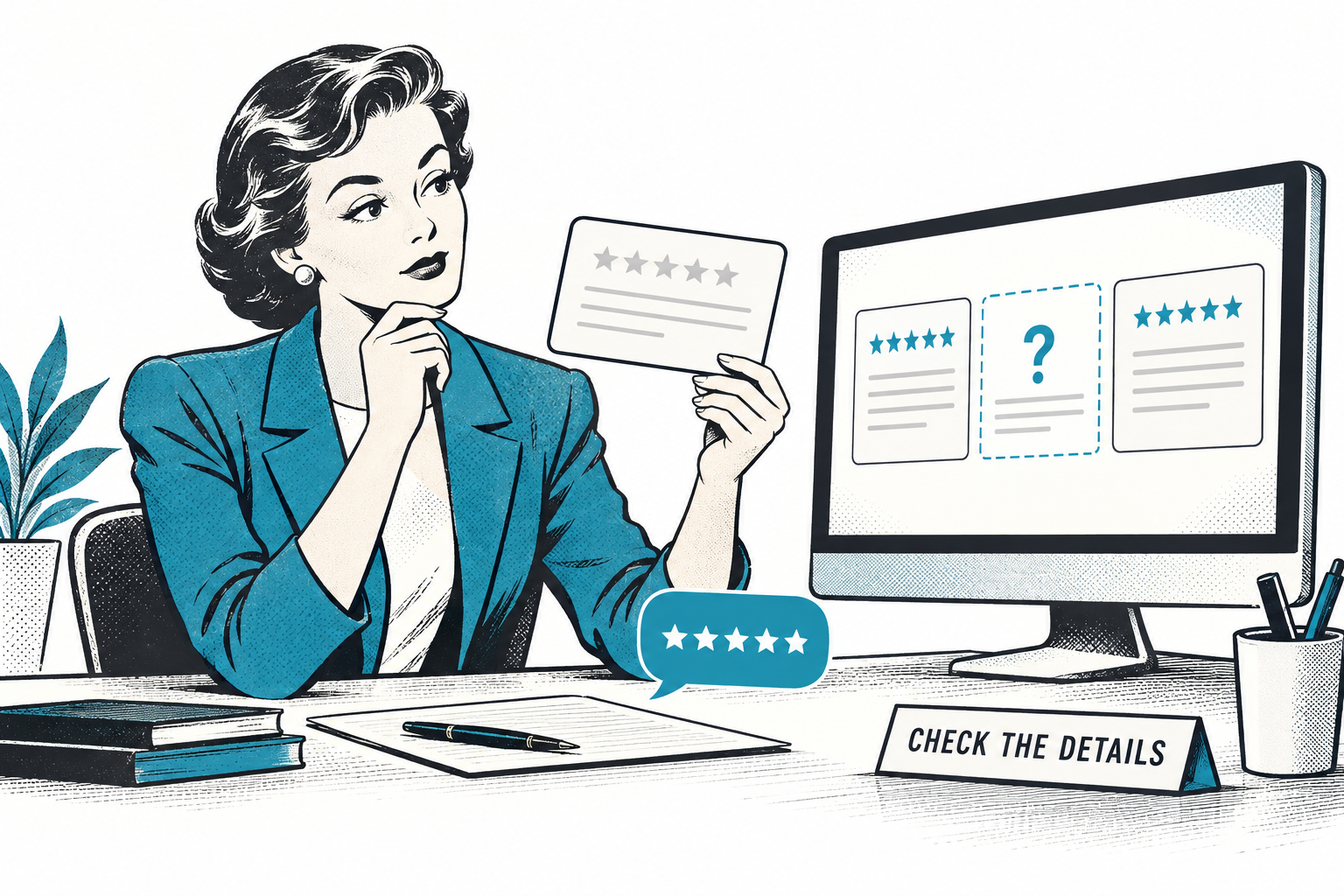
A client tells your office they left a thoughtful Google review. They can see it on their phone, but your receptionist cannot find it on the firm’s public profile. Or a review that appeared last week is suddenly gone.
It is tempting to assume someone reported it, Google made a mistake, or the client did something wrong. The missing review alone does not establish any of those explanations.
A recent Near Media discussion examined research on disappearing Google reviews. For lawyers, the practical question is more immediate: what should your firm check, and how can it respond without making the situation worse?
First, confirm what is actually missing
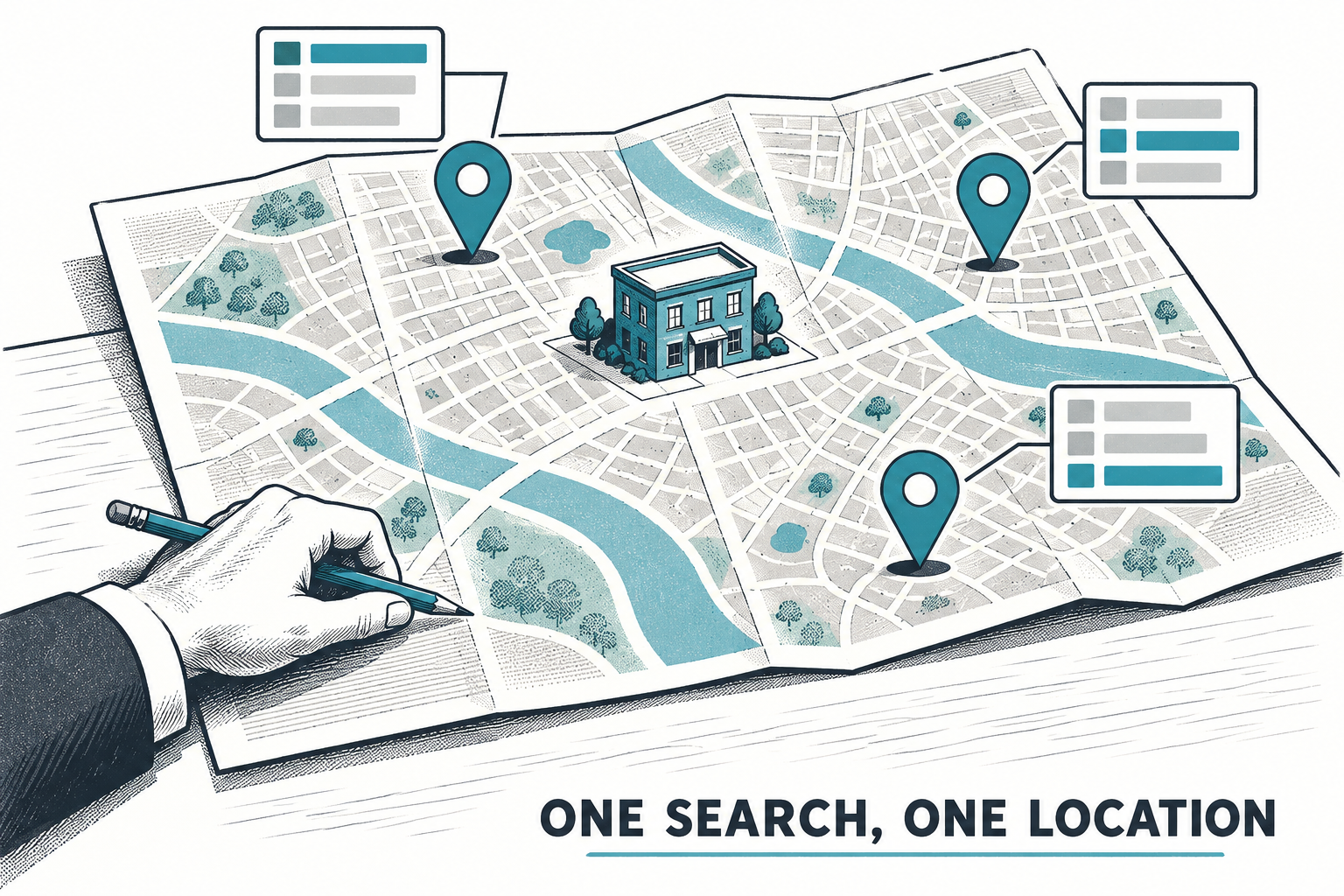
Start with the exact Google Business Profile, the listing that displays your firm’s information on Google Search and Maps.
A firm may have an office listing and separate attorney listings. A client could have reviewed an individual lawyer when the staff member checking expected to see the review on the firm’s profile.
Confirm the profile link and when the client submitted the review. Check the public listing rather than relying only on a notification email or a change in the total review count.
If the client is comfortable sharing a screenshot, it may help document what they see. Do not ask them to disclose details about their matter to prove the review is genuine. Keep any information they provide private.
Consider a hypothetical firm with two offices and three attorney profiles. Before opening a support request about a missing review, its office manager discovers the client posted it on the lawyer’s individual profile. The issue was where the review appeared, not its removal.
A delay is different from a removal
Google says its review checks can sometimes delay publication for a few days. It also notes that reviews may take time to appear after Business Profiles are merged.
Other circumstances can affect visibility. Google identifies outdated software as a possible posting problem and says reviews can sometimes disappear after a profile is reinstated. In that situation, its guidance directs businesses to contact support.
These are possible explanations, not a diagnosis of your firm’s listing. If a review has just been submitted, document the date and check again after allowing for the delay Google describes. If an established review disappeared, note when staff last saw it and whether the profile recently changed.
Google’s missing-review guidance is a useful starting point because the process and available support options can change.
A genuine client experience does not settle every policy question
Google’s review rules address the content of a review and how it was obtained.
For example, its policies prohibit incentives for reviews, selectively requesting positive reviews, and certain patterns intended to manipulate ratings. They also address conflicts of interest and inappropriate content.
A firm should examine its own process without assuming a specific rule caused a particular disappearance. Was a discount offered? Were only satisfied clients invited to review? Did someone request specific language?
Google’s review-content policy explains these restrictions. Google also states that reviews removed for policy violations will not be restored. A support request is therefore not a promise of reinstatement.
For a law firm, protecting client information matters throughout this process. Avoid publishing a response that confirms a representation, discusses a case, or reveals private facts simply to argue that a review should exist.
Preserve a short, factual record
If the issue persists, organize the information before contacting support.
Record:
- The exact Business Profile link.
- When the review was submitted or last visible.
- What appears publicly now.
- Any relevant profile merger or reinstatement.
- Screenshots voluntarily provided, with sensitive information handled appropriately.
Describe what you observed rather than what you suspect. “The client reports submitting a review on Tuesday, and it is not publicly visible on Friday” is more useful than an unsupported accusation that a competitor removed it.
Use the relevant help and support route Google currently provides. Follow an existing case through its stated process rather than submitting repeated requests with conflicting descriptions.
Do not try to replace the missing review through pressure
A missing review can feel like lost recognition for work your attorneys did well. That frustration is not a reason to offer a reward, dictate replacement wording, or ask several people to post copies.
Those responses can create new problems. They also shift attention away from the client’s actual experience.
Keep ordinary requests for honest feedback consistent and voluntary. Do not promise that rewriting or reposting a review will make it appear, and do not treat a rising review count as the only measure of a healthy client relationship.
Review the picture prospective clients actually see
One missing review deserves a careful check. It should also prompt a broader question: does your firm understand what prospective clients can currently find?
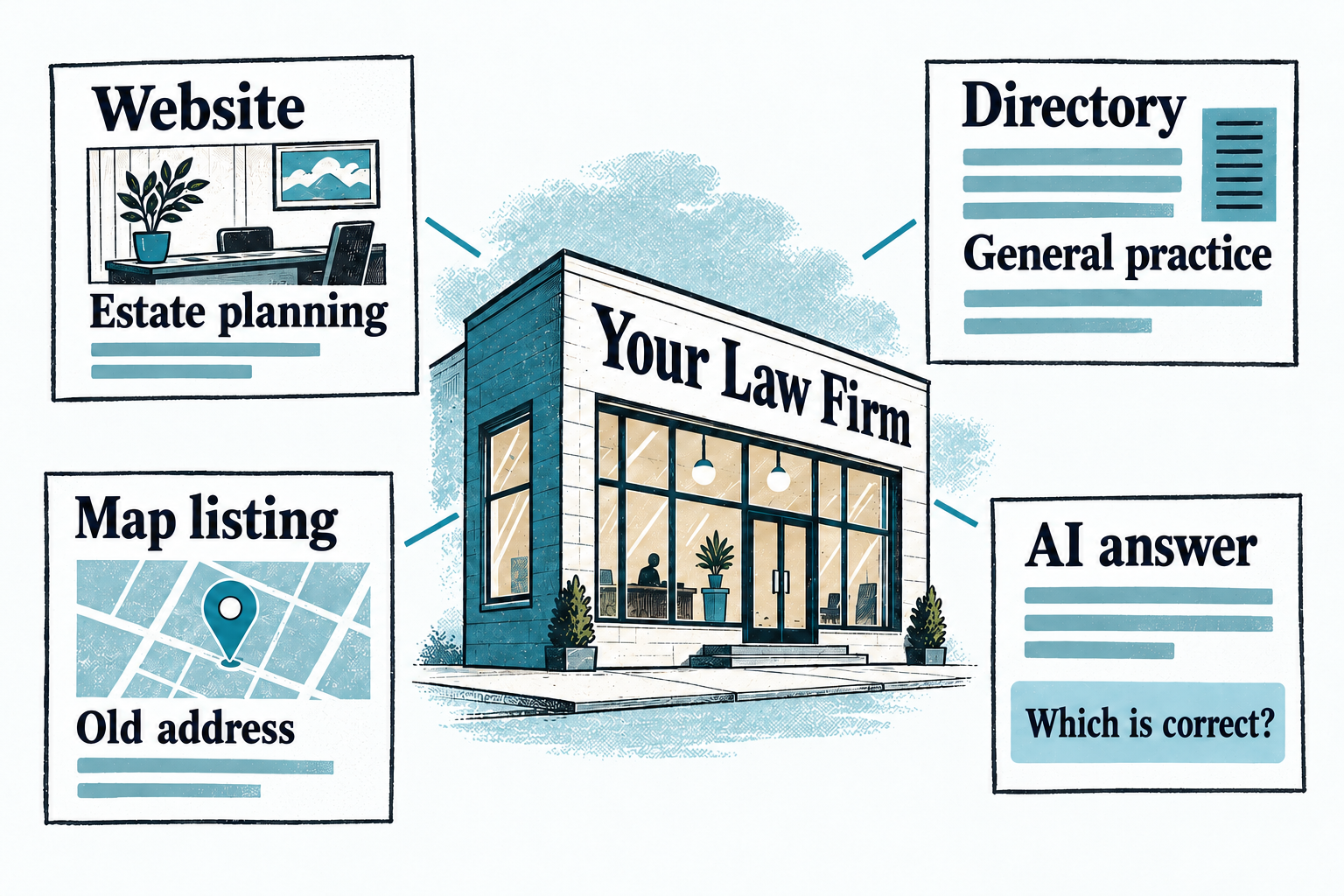
Your website, office listings, attorney profiles, and public feedback may tell different parts of the story. An accurate review of those sources starts with what is visible, what is missing, and what remains uncertain.
Schedule a closer look at your firm’s online reputation with BSPE Legal Marketing. We’ll review your website and relevant public profiles, examine a sample of AI answers, and help you identify gaps in how your practice is being presented. The goal is a clearer picture of what prospective clients may encounter, without promises that any particular review can be restored.